Blue Sapphire Jewellery Basics: Understanding Gemstone Types, Settings, and Styles
Blue sapphire jewellery refers to jewellery that uses blue sapphire as its central or decorative gemstone.
Blue sapphire is a variety of corundum, a mineral that can also occur in other colors. Its blue appearance is generally associated with trace elements within the crystal, and shades can range from pale blue to deep, saturated blue.
Sapphires have been used in decorative objects and jewellery for centuries across several regions. Historical traditions have associated blue sapphire with ideas such as wisdom, protection, and dignity, although these meanings vary between cultures and are not scientific properties.
Understanding Blue Sapphire Types
Blue sapphires can differ in color, clarity, origin, treatment, and size. Natural sapphires form through geological processes, while laboratory-created sapphires have essentially the same chemical composition and crystal structure but are produced under controlled conditions.
Some blue sapphires undergo heat treatment to improve or alter their color and clarity. Treated stones are common in the jewellery market, so understanding whether a gemstone has received treatment is an important part of understanding its characteristics.
Common Jewellery Settings
The setting is the structure that holds the gemstone in place. A blue sapphire may appear in a ring, pendant, necklace, bracelet, earrings, or other jewellery designs.
Common settings include prong settings, where small metal claws hold the stone; bezel settings, where a metal rim surrounds the gemstone; and halo settings, where smaller stones form a border around a central sapphire. Each design changes the appearance, protection, and visual emphasis of the gemstone.
Importance
Blue sapphire jewellery matters to people for several reasons, including personal style, cultural traditions, gemstone interest, and the long history of sapphire in decorative arts. Because sapphire is relatively hard, it is often considered suitable for jewellery that receives regular wear, although hardness does not mean that a gemstone cannot be scratched, chipped, or damaged.
A common challenge is understanding differences between gemstones that may look similar. Color alone does not explain a sapphire's identity or characteristics. Treatment, clarity, transparency, cutting style, and formation method can all affect its appearance.
What to Examine in a Sapphire
When learning about blue sapphire jewellery, several characteristics are useful to understand:
- Color describes the hue, tone, and saturation of the blue.
- Clarity refers to internal features and surface characteristics visible within or on the gemstone.
- Cut describes how the stone has been shaped and faceted to influence light return and appearance.
- Carat weight refers to the gemstone's mass rather than its visual dimensions alone.
- Treatment indicates whether processes have been used to change or improve the stone's appearance.
- Origin describes the geographical source of a natural gemstone when that information can be established.
Jewellery Styles and Practical Differences
Classic styles often use a single sapphire as the central feature. Contemporary designs may combine blue sapphire with other gemstones, textured metal, geometric shapes, or minimalist settings.
The design also affects practical use. A low-profile setting can reduce the chance of catching on clothing, while a raised setting can provide greater visual prominence but may be more exposed to accidental impacts. Earrings and pendants usually experience different types of contact than rings, which can influence setting choices.
Recent Updates
The current blue sapphire jewellery landscape reflects a broader interest in gemstone transparency, responsible sourcing, laboratory-created gemstones, and detailed gemstone documentation. People increasingly encounter more information about treatments, gemstone origin, and laboratory identification than in earlier jewellery environments.
Greater Interest in Gemstone Documentation
Gemstone reports and identification documents can provide information about a stone's characteristics, treatment status, and sometimes its geographic origin. Such documentation can be particularly relevant when a gemstone has features that are difficult to assess from appearance alone.
Natural and Laboratory-Created Options
Laboratory-created sapphire has become a familiar part of modern jewellery discussions. It can have the same basic mineral identity as natural sapphire while differing in how it was formed. Clear labeling is therefore important when distinguishing geological origin from laboratory production.
Changing Style Preferences
Recent jewellery design trends include traditional gemstone shapes with simpler settings, mixed metal appearances, and personalized designs. Blue sapphire also appears in both classic and contemporary jewellery, allowing the same gemstone type to be presented in very different visual forms.
Tools and Resources
Several resources can help readers understand blue sapphire jewellery without relying only on visual appearance.
Gemstone Identification Reports
Independent gemological reports can document characteristics such as gemstone identity and treatment. When available, readers can use the report to compare the written information with the gemstone and jewellery description.
Jewelry Measurement Tools
A jeweller's loupe can help with close visual examination, while a millimeter gauge can record gemstone dimensions. A digital scale designed for gemstone or jewellery measurements can provide weight information, although these tools do not replace professional identification methods.
Care and Reference Guides
Gemstone care guides can explain suitable cleaning approaches, storage practices, and situations that may expose jewellery to impact or chemicals. Basic references from established gemological organizations can also help readers learn terminology related to sapphire, treatments, grading, and gemstone identification.
| Feature | What it describes | Why it matters |
|---|---|---|
| Color | Hue, tone, and saturation | Influences visual appearance |
| Clarity | Internal and surface features | Helps describe transparency and character |
| Cut | Shape and faceting | Affects light behavior and appearance |
| Carat weight | Gemstone mass | Provides a standardized weight measurement |
| Treatment | Processes applied to the stone | Helps explain appearance and care needs |
| Origin | Source of a natural gemstone | May be documented through specialized examination |
FAQs
What is blue sapphire jewellery?
Blue sapphire jewellery is jewellery that incorporates blue sapphire as a central or accent gemstone. It can include rings, earrings, pendants, necklaces, and bracelets in many setting styles.
What types of blue sapphire are used in jewellery?
Blue sapphires may be natural or laboratory-created, and natural stones may be untreated or treated. They can also vary in color, clarity, size, cut, and documented origin.
How should blue sapphire jewellery be cared for?
Care depends on the gemstone and any treatments it has received. Gentle cleaning methods and protection from strong impacts are commonly used, while specialized guidance may be appropriate for treated stones.
What settings are common for blue sapphire jewellery?
Prong, bezel, and halo settings are commonly seen in blue sapphire jewellery. The choice affects how much of the gemstone is visible and how it is protected by the surrounding structure.
Does blue sapphire jewellery have cultural meanings?
Yes, blue sapphire has been associated with different cultural and symbolic meanings, including wisdom and protection. These associations are traditional or cultural beliefs rather than scientifically established effects.
Conclusion
Blue sapphire jewellery combines a historically significant gemstone with a wide range of modern jewellery designs. Understanding gemstone type, color, clarity, treatment, cut, and setting helps explain why individual pieces can look and function differently. Natural and laboratory-created sapphires can also be distinguished by their formation history, while documentation may provide additional information about a gemstone's characteristics. Overall, blue sapphire remains a versatile subject for learning about gemstones, jewellery construction, and changing design styles.

Related Post...

Halo Engagement Rings Guide: Understanding Styles, Settings, and Design Features
Updated: September 11, 2026
Read More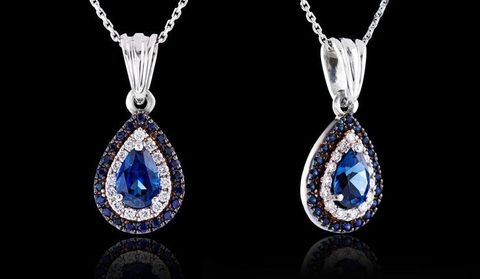
Blue Sapphire Jewellery Basics: Understanding Gemstone Types, Settings, and Styles
Updated: September 26, 2026
Read More
Diamond Rings Insights: Understanding Diamond Quality, Ring Designs, and Settings
Updated: September 24, 2026
Read More