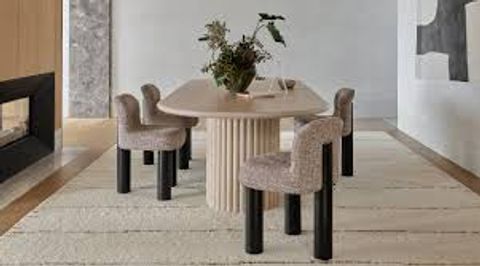
Interior Design Guide: Learn About Styles, Elements, and Planning
Interior design is the process of planning and arranging indoor spaces so they function well and have a coherent visual character.
It involves decisions about furniture, colors, lighting, materials, room layouts, textures, and decorative details. An interior design guide helps people understand how these elements work together before making changes to a home, apartment, office, or other indoor environment.
The practice has roots in architecture, decoration, craftsmanship, and traditional building methods. Different regions developed distinctive approaches based on local materials, climate, culture, and available resources. Over time, interior design became a broader field that combines practical planning with visual composition.
Understanding Interior Design Styles
An interior design style provides a general direction for how a space looks and feels. Common styles include modern, contemporary, traditional, minimalist, industrial, Scandinavian, and eclectic approaches. Each style uses different combinations of furniture shapes, colors, materials, patterns, and decorative elements.
Modern interiors often emphasize simple forms and organized spaces, while traditional interiors may include more detailed furniture, classic patterns, and established decorative elements. Minimalist design generally reduces visual clutter, whereas eclectic interiors combine influences from several styles in a deliberate way.
Core Elements of Interior Design
Interior design is influenced by several connected elements:
- Space: The available floor area and the relationship between rooms determine how furniture and movement can be arranged.
- Color: Wall, furniture, and accent colors influence the visual character of an interior.
- Lighting: Natural and artificial lighting affect visibility, atmosphere, and how materials appear.
- Texture: Wood, fabric, stone, metal, glass, and other surfaces add visual and tactile variation.
- Furniture: Furniture should relate to the room's size, purpose, circulation, and overall design direction.
- Pattern: Patterns can introduce visual interest through rugs, curtains, upholstery, artwork, or wall treatments.
These elements do not work independently. A change in lighting can affect how colors appear, while furniture placement can influence both movement and the perception of available space.
Importance
Interior design matters because indoor environments influence everyday activities. A kitchen needs practical movement between preparation areas, a bedroom needs appropriate furniture placement, and a study area needs sufficient lighting and an organized layout. Thoughtful planning can help a space correspond more closely with the activities that take place there.
Planning for Different Needs
Interior design affects homeowners, renters, families, property managers, workplace occupants, and people adapting rooms for changing needs. The appropriate approach depends on the occupants, room dimensions, accessibility requirements, maintenance preferences, and intended use.
For example, a family room may need flexible seating and clear walking paths, while a home office may require a suitable desk position, task lighting, and organized storage. Smaller homes can require particularly careful planning because every piece of furniture occupies a significant portion of the available area.
Balancing Appearance and Function
A visually appealing room may still be inconvenient if furniture blocks movement or storage is insufficient. Similarly, a highly practical room may feel uncomfortable when lighting, color, or texture receives little attention.
A balanced interior considers both appearance and everyday use. Important planning questions include:
- What activities will happen in the room?
- How many people normally use the space?
- Where should people walk and move?
- Which items need regular access?
- How much natural light enters the room?
- Which materials are appropriate for the level of daily use?
Space Planning and Measurements
Measurements are an important part of interior design planning. Before arranging furniture, people can record room length, width, ceiling height, doors, windows, fixed cabinets, electrical points, and other permanent features.
A simple planning table can help organize basic requirements:
| Area | Key Planning Consideration | Example |
|---|---|---|
| Living room | Seating and circulation | Sofa, chairs, walking paths |
| Bedroom | Bed position and storage | Bed, wardrobe, side tables |
| Kitchen | Movement and work areas | Counters, appliances, cabinets |
| Bathroom | Access and ventilation | Fixtures, storage, door clearance |
| Study | Lighting and workspace | Desk, chair, shelves |
Accurate measurements reduce layout conflicts and make it easier to compare different arrangements before physical changes are made.
Recent Updates
Interior design trends from 2024 through 2026 have continued to reflect a combination of practicality, personal expression, technology, and environmental awareness. Rather than relying on a single visual direction, many contemporary interiors combine several influences according to the needs of the occupants.
Greater Interest in Flexible Spaces
Flexible rooms have become increasingly relevant as homes accommodate multiple activities. A single room may function as a workspace, study area, guest room, or relaxation space at different times.
Movable furniture, modular storage, foldable elements, and adaptable layouts can help rooms support these changing activities. The emphasis is generally on making spaces useful across different situations rather than assigning every room only one purpose.
Natural Materials and Comfortable Interiors
Natural-looking materials, warm neutral colors, wood finishes, textured fabrics, plants, and softer lighting continue to appear across contemporary interior design. These elements can create visual variation without requiring complex decoration.
There is also growing attention to durability and responsible material selection. Designers and occupants may consider the expected lifespan, maintenance requirements, material composition, and environmental characteristics of furnishings and finishes when planning an interior.
Technology and Digital Planning
Digital tools have become an increasingly common part of the planning process. Room-planning applications can create basic layouts, while three-dimensional visualization tools can help users understand furniture placement and proportions before changes are made.
Smart lighting, connected controls, and automated home features are also becoming part of interior planning. These technologies can affect decisions about lighting placement, electrical access, controls, and furniture arrangement.
Personalization Over Fixed Styles
Current interiors frequently combine elements from different design traditions instead of following one style completely. A contemporary room might include traditional furniture, natural materials, vintage decorative pieces, or handmade objects.
This approach places greater emphasis on the relationship between individual elements. Proportion, balance, color coordination, and practical use remain important even when several styles are combined.
Tools and Resources
Several tools can make interior design planning easier for people without specialized technical knowledge. Room-measurement applications can help record dimensions, while floor-plan tools allow users to arrange walls, doors, windows, and furniture digitally.
Mood boards are another useful planning method. A mood board can combine color samples, furniture references, material textures, lighting ideas, and decorative influences in one place. It provides a visual reference for maintaining consistency throughout a room.
Helpful Planning Resources
Common resources include:
- Digital floor planners: Useful for testing room layouts and furniture positions.
- Room measurement tools: Help organize dimensions and fixed features.
- Color planning tools: Assist with comparing coordinated color combinations.
- Mood board platforms: Collect visual references in one workspace.
- Furniture dimension guides: Help compare furniture proportions with room measurements.
- Lighting calculators: Can provide general guidance about illumination requirements for different spaces.
- Interior design templates: Provide structured worksheets for room measurements, furniture lists, color palettes, and planning notes.
When using digital visualization, it is important to treat rendered images as planning references rather than exact representations. Actual materials, lighting conditions, room proportions, and product dimensions can appear different in person.
FAQs
What is interior design?
Interior design involves planning indoor spaces by considering layout, furniture, color, lighting, materials, texture, and function. It combines practical requirements with visual organization.
What are common interior design styles?
Common interior design styles include modern, contemporary, traditional, minimalist, industrial, Scandinavian, and eclectic. A room can also combine characteristics from several styles.
Why is space planning important in interior design?
Space planning helps organize furniture, movement, storage, and activities within an available area. It can identify layout problems before physical changes are made.
How can an interior design guide help with planning?
An interior design guide can explain styles, design elements, measurements, layouts, materials, lighting, and planning methods. This gives beginners a structured way to understand the design process.
What tools are useful for interior design planning?
Digital floor planners, measurement applications, mood boards, color tools, furniture dimension references, and lighting calculators can support different stages of interior planning.
Conclusion
Interior design brings together space planning, furniture, color, lighting, materials, texture, and personal preferences to shape indoor environments. Understanding different styles and core design elements can make room planning more structured and easier to evaluate. Current trends emphasize flexible spaces, natural-looking materials, digital planning, technology, and individualized combinations of styles. A thoughtful interior design plan considers both how a room looks and how people use it in everyday life.

Related Post...

Cafe Dining Furniture: A Guide to Materials, Styles, and Layout Basics
Updated: September 11, 2026
Read More
Interior Design Guide: Learn About Styles, Elements, and Planning
Updated: September 21, 2026
Read More