Metal Embossing Machines Insights for Understanding Embossing Methods and Features
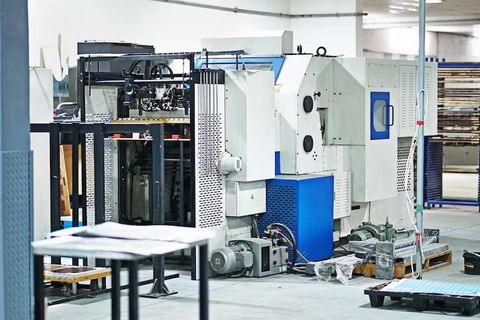
Metal Embossing Machines are equipment used to create raised or recessed patterns, textures, symbols, numbers, or other surface details on metal sheets and components
The process changes the shape of a metal surface through controlled pressure rather than simply adding another material to it.
Embossing has roots in traditional metal forming, where presses, dies, and rollers were used to shape sheets manually or mechanically. As manufacturing developed, powered presses, hydraulic systems, mechanical drives, and computer-controlled equipment expanded the range of patterns and materials that could be processed.
Today, embossing can be performed using press-based or roller-based systems. A press generally forms a specific area using matched tooling, while rollers can create continuous patterns across longer sheets or coils. The appropriate method depends on material thickness, pattern depth, production volume, and the intended application.
Common Embossing Methods
Several methods are used in modern metal forming. Press embossing applies force through a shaped die, making it suitable for defined areas and detailed impressions. Roller embossing uses patterned rollers to create continuous textures, making it useful for sheets and coil-processing applications.
Hydraulic machines use fluid pressure to generate forming force, while mechanical machines typically use a mechanical drive and linkage system. Servo-controlled systems use electronically controlled motors that can adjust movement and forming parameters with greater programmability.
Importance
Why Embossing Matters
Embossing can provide both visual and functional characteristics to metal surfaces. Patterns may improve surface appearance, create identification marks, add texture, or alter how a sheet interacts with light, air, or contact surfaces.
The process is relevant to several industries, including construction, automotive manufacturing, appliances, architectural interiors, industrial equipment, packaging, and general metal fabrication. Applications can include decorative panels, textured sheets, identification plates, appliance surfaces, and components requiring permanent markings.
For everyday users, the technology is often visible without being obvious. Textured metal panels, patterned appliance surfaces, identification plates, and certain architectural finishes can all involve embossing or related forming processes.
Factors That Affect Embossing Results
The final result depends on several connected factors. Important considerations include:
- Material type: Steel, stainless steel, aluminum, copper, and other alloys respond differently to forming pressure.
- Material thickness: Thicker sheets generally require different forming conditions and tooling than thin sheets.
- Pattern geometry: Fine, deep, wide, or repeated designs place different demands on the machine and tooling.
- Forming pressure: Insufficient pressure may produce weak impressions, while excessive pressure can contribute to deformation or surface damage.
- Tool alignment: Accurate alignment between dies or rollers helps maintain consistent patterns.
- Feed control: Consistent material movement is important for repeated or continuous designs.
Understanding these factors helps explain why one machine configuration may not suit every embossing application.
Comparing Common Machine Types
| Machine type | Main forming method | Common characteristic | Typical application |
|---|---|---|---|
| Mechanical | Mechanical force | Direct, repeatable motion | General sheet forming |
| Hydraulic | Hydraulic pressure | Adjustable forming force | Heavier forming applications |
| Roller | Patterned rollers | Continuous surface patterns | Sheets and coils |
| Servo-controlled | Servo motor control | Programmable movement | Precision and flexible production |
| Manual | Operator-assisted force | Simple operation | Small-scale or occasional work |
Machine selection also depends on available floor space, tooling arrangements, automation requirements, sheet dimensions, and production workflow.
Recent Updates
Automation and Digital Control
Recent developments from 2024 through 2026 show continued movement toward automation and digital control in metal forming. CNC controls, servo drives, programmable settings, automated material handling, and digital monitoring are becoming increasingly relevant to modern production environments. These technologies can help operators manage forming parameters more consistently and integrate embossing with other manufacturing stages.
Modern equipment is also increasingly designed around data collection and machine monitoring. Sensors and connected controls can provide information about operating conditions, tooling status, and production activity. The broader direction is toward connected manufacturing in which machines communicate with production software and other equipment.
Flexible and Specialized Embossing
Another developing area is greater flexibility in handling different patterns, materials, and component sizes. Research and industrial development have included advanced roller-based embossing systems for larger components and applications involving thin metal sheets. Fraunhofer IWU, for example, has demonstrated hollow embossing technology aimed at larger components and expanded sheet-metal applications.
There is also growing interest in modular tooling and programmable systems. These approaches can make it easier to change patterns or adapt production equipment to different component designs without completely changing the underlying machine structure.
Precision and Resource Awareness
Current sheet-metal manufacturing trends place greater attention on precision, energy use, material efficiency, and digital monitoring. Servo technology and improved control systems are part of this wider movement. The emphasis is not only on forming the desired pattern but also on controlling the process so that material movement, pressure, tooling, and production data remain consistent.
Tools and Resources
Machine Specifications
Technical specification sheets are useful when learning about Metal Embossing Machines. They commonly provide information about maximum sheet dimensions, material thickness, forming force, roller dimensions, motor configuration, control systems, and machine footprint.
Comparing these specifications helps readers understand how machines differ without relying only on appearance or general descriptions.
Pattern and Tooling Resources
Tooling references can help explain die profiles, roller patterns, embossing depths, and material compatibility. CAD software can also be used to prepare pattern geometry before production, particularly when the design contains repeated or precise features.
For continuous embossing, roller drawings and pattern-repeat information are particularly important. For press embossing, die geometry and clearance information are useful for understanding how the desired impression is formed.
Maintenance and Measurement Tools
Basic measurement equipment such as calipers, micrometers, thickness gauges, and surface inspection tools can help evaluate embossed components. Digital machine-monitoring platforms may also record operating information for production analysis and maintenance planning.
Manufacturer manuals, technical drawings, CNC documentation, tooling guides, and metal-forming reference materials are useful resources for understanding machine operation. Training materials from established manufacturing organizations can also provide background on forming principles and workplace safety.
FAQs
What are Metal Embossing Machines used for?
Metal Embossing Machines create raised, recessed, textured, or patterned features on metal surfaces. Applications include decorative panels, identification plates, appliance components, architectural sheets, and industrial parts.
How do Metal Embossing Machines create patterns?
Patterns are formed by applying controlled pressure through dies, rollers, or other shaped tooling. The tooling changes the surface geometry of the metal without requiring a separate printed layer.
What materials can Metal Embossing Machines process?
Depending on the machine and tooling, embossing can be performed on materials such as steel, stainless steel, aluminum, copper, brass, and other suitable sheet metals. Material thickness and mechanical properties influence the required forming conditions.
What is the difference between roller and press embossing?
Roller embossing uses rotating patterned rolls and is suitable for continuous or repeated textures. Press embossing uses a die and controlled force to form a particular area or component.
Are modern Metal Embossing Machines computer controlled?
Many modern systems incorporate CNC, PLC, servo drives, digital interfaces, or monitoring technologies. The exact level of automation varies by machine design and intended production process.
Conclusion
Metal Embossing Machines shape metal surfaces by applying controlled pressure through dies, rollers, or related forming systems. Their applications range from decorative and architectural surfaces to identification markings and functional components. Recent developments emphasize automation, digital control, flexible tooling, monitoring, and improved process precision. Understanding machine type, material characteristics, tooling, pattern design, and forming conditions provides a clearer view of how metal embossing works.

Related Post...
Blow Molding Machine Overview: Understanding Modern Plastic Manufacturing
Updated: September 16, 2026
Read More
Motor Testing Machines: Explanation of Types, Uses, and Testing Methods
Updated: September 21, 2026
Read More
Furniture Assembly Machines Insights: Learning About Automated Assembly Processes
Updated: September 26, 2026
Read More