Industrial Gas Turbine Power Generators Guide for Energy Generation Systems
Industrial gas turbine power generators are energy generation systems that use a gas turbine to convert fuel energy into mechanical power and then electrical power.
They are used in industrial facilities, utility plants, infrastructure projects, and other locations that require substantial electricity. Understanding how these systems work, their main components, current developments, and practical considerations can help readers understand their role in modern power generation.
Context
What Are Industrial Gas Turbine Power Generators?
An industrial gas turbine power generator combines a gas turbine with an electrical generator. The turbine produces rotational motion by expanding hot gases through turbine blades, while the generator converts that mechanical rotation into electricity.
The basic process begins when air enters the compressor section. The compressed air mixes with fuel in a combustion chamber, where the mixture burns and produces high-temperature gases. These gases expand through turbine stages, causing the turbine shaft to rotate.
The rotating shaft is connected to a generator. As the generator rotates, electromagnetic induction produces electrical energy that can be transferred to electrical equipment, distribution systems, or a larger power network.
Where Did Gas Turbine Generation Come From?
Gas turbine technology developed from earlier work on combustion engines, compressors, and turbine machinery. During the twentieth century, improvements in materials, aerodynamics, combustion technology, and manufacturing made gas turbines increasingly practical for electricity generation.
Industrial gas turbines are different from the smaller turbines used in aircraft engines, although the underlying principles are related. Power-generation turbines are designed for continuous or frequent operation and are engineered around electrical generation requirements.
Main Components
A typical industrial gas turbine power generator includes several interconnected sections:
- Air intake and filtration systems bring clean air into the turbine.
- A compressor raises the pressure of incoming air.
- Combustion chambers mix compressed air with fuel and generate hot gases.
- Turbine stages extract energy from expanding gases.
- A shaft transfers rotational energy to the generator.
- The electrical generator converts mechanical energy into electricity.
- Control and monitoring systems regulate operating conditions and protect equipment.
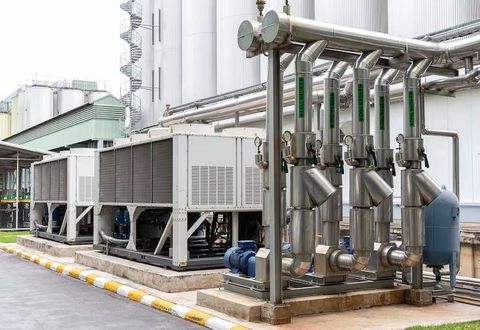
The complete system also requires supporting equipment such as lubrication, cooling, exhaust, fuel-handling, electrical protection, and monitoring systems.
Importance
Why Gas Turbine Generation Matters
Electricity demand continues to come from manufacturing, data centers, transportation infrastructure, commercial buildings, and residential communities. Gas turbine generation can form part of an electricity system designed to respond to changing demand and maintain dependable power availability.
These systems can also be used in combined-cycle plants. In this arrangement, hot exhaust from a gas turbine passes through a heat recovery system to produce steam, which drives a steam turbine. This allows additional energy to be extracted from the same fuel input.
Who Uses These Systems?
Industrial facilities may use gas turbine generators as part of their main electricity infrastructure or as a supplementary generation source. Electricity producers can also incorporate large gas turbines into centralized power plants.
Common application areas include:
- Power generation facilities
- Manufacturing plants
- Refineries and processing facilities
- Large infrastructure sites
- Data-intensive facilities
- District energy systems
- Combined heat and power plants
Practical Challenges
Gas turbine operation involves several technical and environmental considerations. Fuel selection affects operating characteristics, while ambient temperature and air conditions can influence turbine output.
Maintenance planning is also important because turbine components operate under high temperatures, pressures, and rotational speeds. Combustion systems, turbine blades, compressors, bearings, and auxiliary equipment require monitoring to maintain appropriate operating conditions.
Noise, exhaust emissions, fuel availability, water requirements in certain configurations, and grid connection requirements can also influence how a power generation system is designed.
Key Characteristics
| Characteristic | General Description |
|---|---|
| Primary function | Converts fuel energy into electrical energy |
| Main rotating equipment | Compressor, turbine, and generator |
| Common fuels | Natural gas and selected liquid or gaseous fuels |
| Typical applications | Industrial and utility electricity generation |
| Operating environment | Indoor or outdoor power-generation facilities |
| Electrical connection | Facility distribution system or wider power network |
| Advanced configuration | Combined-cycle or combined heat and power systems |
Recent Updates
Efficiency and Flexible Operation
Recent developments in industrial gas turbine technology have focused on improving thermal efficiency, operational flexibility, emissions performance, and digital monitoring. Manufacturers and researchers have continued working on combustion systems that can operate across wider load ranges while managing nitrogen oxide emissions.
Modern power plants increasingly need to respond to variable electricity demand. Gas turbines can therefore be integrated into systems where generation levels change according to grid requirements rather than remaining at one constant output.
Digital Monitoring and Predictive Analysis
Digital technologies have become increasingly important in turbine operation. Sensors can monitor temperatures, pressures, vibration, rotational conditions, and other operating parameters.
Data analysis can help operators identify unusual operating patterns and understand equipment condition. Digital twins, remote monitoring platforms, and predictive analysis are also being explored to improve planning and reduce unexpected interruptions.
These technologies do not eliminate the need for physical inspection. Instead, they provide additional information that can support engineering assessment and maintenance planning.
Lower-Carbon Fuel Research
The energy sector is also examining how gas turbine technology can operate with alternative fuels. Hydrogen blending, renewable gases, and other lower-carbon fuel pathways are subjects of continuing research and demonstration.
Hydrogen combustion introduces technical challenges involving flame characteristics, materials, combustion stability, and nitrogen oxide formation. As a result, compatibility depends on the specific turbine design and fuel system rather than applying universally to every generator.
Integration With Renewable Energy
Solar and wind generation can vary according to weather and time of day. Gas turbine generators may be incorporated into broader electricity systems to provide dispatchable generation when variable renewable output changes.
This does not mean gas turbines replace renewable generation. Instead, different generation technologies can operate together within an electricity system, with their roles depending on grid design, available infrastructure, fuel resources, and environmental requirements.
Tools and Resources
Turbine Performance Calculators
Engineering calculators can estimate relationships among turbine output, efficiency, fuel input, air temperature, pressure, and operating conditions. These tools are useful for understanding how changes in operating conditions can affect theoretical performance.
Emissions Calculation Tools
Environmental agencies and energy organizations publish calculation methods for estimating emissions from stationary combustion equipment. Such resources can help users understand how fuel consumption and operating conditions relate to emissions reporting.
Technical Standards and Documentation
Industry standards provide structured guidance for areas such as turbine performance testing, electrical equipment, safety, emissions measurement, and mechanical design. Manufacturer documentation can also explain equipment specifications, operating limits, inspection requirements, and control systems.
Energy Monitoring Platforms
Industrial energy-management platforms can collect electricity, fuel, temperature, pressure, and equipment data. When combined with historical records, these platforms can help users examine energy patterns and identify changes in system behavior.
FAQs
What are industrial gas turbine power generators?
Industrial gas turbine power generators are systems that use a gas turbine to produce mechanical rotation and an electrical generator to convert that rotation into electricity. They are used in industrial and utility power-generation applications.
How do industrial gas turbine power generators work?
Air is compressed and mixed with fuel in a combustion chamber. The resulting hot gases expand through turbine blades, rotating a shaft connected to an electrical generator.
What fuels can gas turbine power generators use?
Natural gas is widely associated with modern gas turbine generation, while some turbine designs can operate with liquid fuels or other gaseous fuels. Fuel compatibility depends on the turbine and combustion-system design.
What is a combined-cycle gas turbine system?
A combined-cycle system uses a gas turbine as its primary generation unit and captures heat from its exhaust to produce steam. The steam can then drive a separate steam turbine to generate additional electricity.
How are modern gas turbines monitored?
Modern systems can use sensors, computerized controls, vibration monitoring, temperature measurement, pressure monitoring, and data-analysis platforms. These technologies provide information about operating conditions and equipment performance.
Conclusion
Industrial gas turbine power generators convert fuel energy into electricity through a combination of compression, combustion, turbine rotation, and electromagnetic generation. Their applications range from industrial facilities to large electricity-generation plants, including combined-cycle configurations. Current development trends include digital monitoring, flexible operation, combustion improvements, alternative-fuel research, and integration with renewable generation. Understanding these systems requires consideration of their components, operating conditions, environmental characteristics, and role within broader energy infrastructure.

Related Post...
Metal Embossing Machines Insights for Understanding Embossing Methods and Features
Updated: September 28, 2026
Read More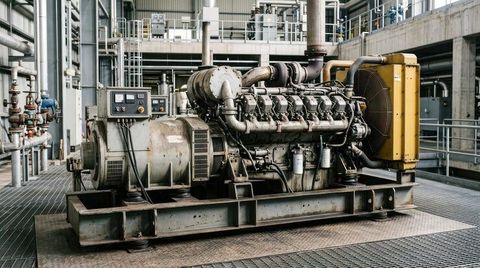
Industrial Gas Turbine Power Generators Guide for Energy Generation Systems
Updated: October 01, 2026
Read More
Conveyor Sorting Systems Insights into Automated Material Movement and Routing
Updated: September 28, 2026
Read More