Resin Production Equipment Overview: Understanding Manufacturing Equipment
Resin production equipment refers to the machinery and systems used to produce, blend, heat, cool, filter, and transfer different types of resin.
Resin is a broad material category used in products such as coatings, adhesives, plastics, composites, electrical components, and construction materials. Understanding how manufacturing equipment works helps readers see how raw ingredients are transformed into consistent resin materials for different industrial applications.
Context
What Is Resin Production Equipment?
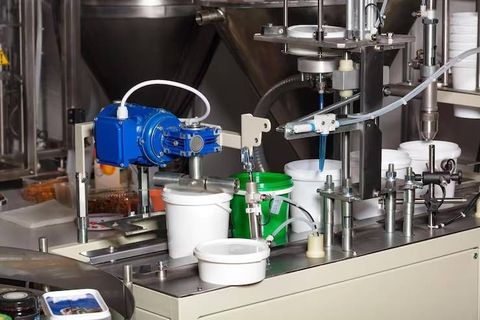
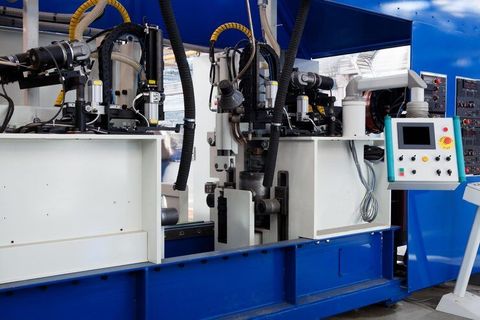
Resin production equipment includes several types of machinery that work together during resin manufacturing. Depending on the resin chemistry, a production line may include reaction vessels, mixing systems, heating and cooling units, filtration equipment, storage tanks, pumps, and control systems.
The exact arrangement depends on the formulation and production method. Some resins are created through chemical reactions, while others require controlled blending, melting, dilution, or modification. Equipment must therefore accommodate factors such as temperature, pressure, viscosity, mixing intensity, and material compatibility.
Where Resin Manufacturing Comes From
Resin manufacturing developed alongside the growth of synthetic polymers and industrial chemistry. As manufacturers began producing materials with specific characteristics, equipment evolved to provide greater control over temperature, agitation, reaction conditions, and material handling.
Modern systems can range from relatively simple mixing vessels to integrated production lines containing multiple stages. A typical process may involve raw-material preparation, reaction or blending, temperature management, filtration, quality checks, and final storage.
Common Equipment Components
Different equipment performs different functions during production. A reactor or reaction vessel provides a controlled environment for chemical reactions, while an industrial mixer distributes ingredients throughout the batch.
Heating and cooling systems regulate process temperatures, which can influence viscosity and reaction behavior. Pumps and transfer systems move resin between vessels, while filtration units can remove unwanted particles or other impurities.
Common components include:
- Reaction vessels and reactors
- Agitators and industrial mixers
- Heating and cooling systems
- Pumps and transfer equipment
- Filtration systems
- Storage and holding tanks
- Weighing and dosing equipment
- Sensors and process-control systems
Importance
Why Equipment Selection Matters
Resin production requires controlled processing because changes in temperature, mixing, or ingredient proportions can affect the characteristics of the final material. Equipment therefore plays an important role in maintaining consistent production conditions.
For example, inadequate mixing can create uneven material distribution, while unsuitable temperature control can affect reaction progress or viscosity. Equipment design also influences how easily a production system can be cleaned, monitored, maintained, and adjusted for different formulations.
Industries That Use Resin
Resins are used across many industries, so resin production equipment supports a wide range of manufacturing activities. Applications include coatings, paints, adhesives, composites, molded products, electrical materials, construction materials, and various plastic components.
The requirements differ between applications. A resin intended for a protective coating may require different processing conditions from a resin used in composite manufacturing or polymer-based components.
Key Production Challenges
Several practical challenges can arise during resin manufacturing. High-viscosity materials may require specialized mixing and transfer arrangements, while heat-sensitive formulations may require carefully controlled temperature conditions.
Other considerations include:
- Maintaining accurate ingredient proportions
- Controlling reaction temperature
- Managing material viscosity
- Preventing contamination
- Handling vapors or gases appropriately
- Monitoring pressure where applicable
- Maintaining consistent batch conditions
- Supporting safe material transfer
A properly designed production system addresses these requirements through coordinated equipment and process controls rather than relying on a single machine.
Typical Equipment Functions
| Equipment | Main Function | Common Process Role |
|---|---|---|
| Reactor vessel | Provides controlled reaction space | Resin formation |
| Mixer or agitator | Distributes materials | Blending and reaction |
| Heating unit | Raises process temperature | Heating and reaction control |
| Cooling unit | Removes excess heat | Temperature regulation |
| Pump | Transfers liquid materials | Material movement |
| Filter | Removes unwanted particles | Product conditioning |
| Storage tank | Holds processed material | Intermediate or final storage |
| Control system | Monitors process conditions | Automation and adjustment |
Recent Updates
Greater Process Monitoring
Recent developments in resin production increasingly involve digital monitoring and automated process control. Sensors can track variables such as temperature, pressure, liquid level, flow, and mixing conditions, allowing operators to observe process behavior more closely.
Digital control systems can also record production information for later review. This supports process documentation and helps identify changes between batches.
Energy and Resource Efficiency
Energy use has become an important consideration in industrial processing. Manufacturers are examining heating, cooling, mixing, and transfer operations to understand where energy is consumed and where process improvements may be possible.
Equipment designs increasingly focus on thermal efficiency, controlled heating and cooling, and improved process integration. These developments are relevant because resin production can involve significant temperature management, particularly when reactions or viscosity changes require controlled thermal conditions.
Automation and Data Integration
Automation is another continuing trend from 2024 through 2026. Production systems may connect sensors, controllers, measurement devices, and software platforms so that process information can be collected in a more organized manner.
Some facilities are also exploring predictive monitoring approaches that use historical process information to identify unusual operating patterns. These systems do not replace appropriate human oversight, but they can provide additional information for process management.
Flexible Manufacturing Systems
Resin manufacturers may handle multiple formulations or product grades within the same facility. This has increased interest in equipment layouts that can accommodate different batches while maintaining appropriate separation, cleaning, and process control.
Flexible vessels, configurable mixing arrangements, automated dosing, and adaptable control systems can help facilities manage changing production requirements without completely redesigning the manufacturing line.
Tools and Resources
Process Calculators
Engineering calculators can help estimate tank volume, flow rates, heat-transfer requirements, mixing parameters, and other process variables. These calculations are generally used alongside equipment specifications and engineering assessments.
Manufacturer Documentation
Technical manuals, equipment datasheets, operating instructions, and material-compatibility information provide useful background when studying resin production systems. These documents explain equipment capabilities, operating ranges, materials of construction, and maintenance requirements.
Process Simulation Platforms
Process simulation software can be used to model chemical and industrial processes before equipment is installed or modified. Such platforms may help examine material flows, heat balances, reaction conditions, and equipment relationships.
Industry Standards and Technical References
Technical standards and engineering references provide information about vessel design, process safety, instrumentation, materials, and industrial equipment practices. Their relevance depends on the resin type, facility design, location, and applicable regulations.
FAQs
What is Resin Production Equipment used for?
Resin Production Equipment is used to process raw ingredients into resin through controlled reaction, mixing, heating, cooling, filtration, and material-transfer stages.
What equipment is commonly found in a resin production system?
Common equipment includes reactors, mixing vessels, agitators, heating and cooling systems, pumps, filters, storage tanks, dosing equipment, sensors, and process-control systems.
How does Resin Production Equipment control temperature?
Temperature can be controlled through heating and cooling systems connected to vessels or processing equipment. Sensors measure process conditions, while control systems can regulate heating or cooling according to defined operating parameters.
Why is mixing important in resin manufacturing?
Mixing helps distribute ingredients throughout a batch and can support consistent reaction conditions. The required mixing approach depends on the resin formulation, viscosity, vessel geometry, and processing stage.
How are modern resin production systems changing?
Modern systems increasingly incorporate sensors, automated controls, digital records, energy-management approaches, and flexible equipment arrangements. These developments support closer process monitoring and more organized production data.
Conclusion
Resin production equipment consists of interconnected machinery used for reaction, mixing, temperature management, filtration, storage, and material transfer. Its configuration depends on the resin formulation, production method, physical properties, and required process conditions. Recent developments have emphasized automation, digital monitoring, energy awareness, and flexible manufacturing arrangements. Understanding these equipment functions provides useful background for interpreting how modern resin manufacturing systems operate.

Related Post...
Metal Embossing Machines Insights for Understanding Embossing Methods and Features
Updated: September 28, 2026
Read More
Furniture Assembly Machines Insights: Learning About Automated Assembly Processes
Updated: September 26, 2026
Read More
Motor Testing Machines: Explanation of Types, Uses, and Testing Methods
Updated: September 21, 2026
Read More