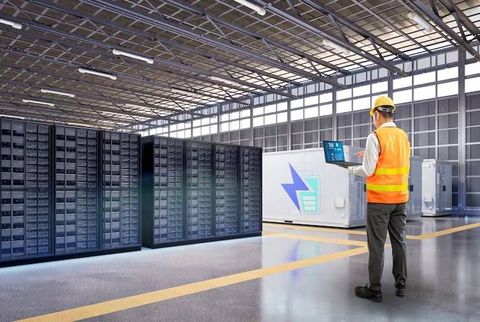
PVC Laminate Production Line Guide: Understanding Manufacturing Processes
A PVC laminate production line is a coordinated group of machines used to manufacture decorative or functional laminate sheets made with polyvinyl chloride.
PVC laminates are commonly used for furniture panels, cabinets, doors, wall surfaces, interior fittings, and other applications where a consistent decorative or protective sheet is needed.
PVC is a thermoplastic polymer that can be softened with heat and formed into sheets. A production line brings together material preparation, mixing, sheet formation, cooling, surface treatment, printing, embossing, coating, inspection, and final sizing. The exact arrangement varies according to the laminate structure, thickness, appearance, and intended application.
How PVC Laminates Developed
PVC sheet materials became increasingly useful as manufacturing methods improved control over thickness, flexibility, color, and surface appearance. Decorative applications expanded the role of PVC by combining a polymer base with printed designs, textures, and protective surface layers.
A modern PVC laminate production line may handle several layers rather than producing one plain sheet. Depending on the product, the structure can include a PVC base, decorative layer, adhesive layer, printed pattern, and protective coating. Some laminates are rigid, while others are flexible and produced in rolls.
Main Production Stages
A typical manufacturing sequence can include:
- Raw material preparation and controlled feeding
- Mixing PVC compounds with selected additives
- Heating and sheet formation
- Cooling and dimensional stabilization
- Printing, coating, embossing, or lamination
- Edge trimming and sizing
- Surface and dimensional inspection
- Sheet cutting or roll winding
Each stage can influence the finished material. Consistent feeding, temperature management, cooling, and line speed are particularly important for maintaining uniform thickness and appearance.
Importance
PVC laminate manufacturing is relevant to many products used in homes, offices, retail spaces, and commercial interiors. Furniture manufacturers, cabinet producers, interior contractors, and building-product manufacturers may use laminate sheets to create surfaces with specific colors, patterns, and textures.
Why Process Control Matters
A PVC laminate production line needs coordinated operating conditions throughout production. Variations in material feeding, temperature, pressure, cooling, or line speed can influence the finished sheet.
Common manufacturing issues include:
- Uneven sheet thickness
- Surface marks or unwanted texture
- Color variation
- Weak bonding between layers
- Bubbles or trapped air
- Irregular edges
- Warping
- Uneven embossing
Inspection at different production stages helps identify variations before material reaches subsequent processing stages.
Factors Affecting Finished Quality
The PVC formulation influences characteristics such as flexibility, rigidity, color, and processing behavior. Additives may modify properties related to stability, pigmentation, lubrication, and environmental resistance.
Machine settings are also significant. Extrusion temperature, screw operation, cooling conditions, roll pressure, embossing conditions, and production speed need to correspond with the material formulation and laminate design. There is no single operating profile that applies to every PVC laminate.
Environmental and Workplace Considerations
PVC processing involves heat and controlled material handling. Manufacturing facilities generally require suitable ventilation, machine guarding, housekeeping procedures, temperature controls, and methods for handling production waste.
Material efficiency is another consideration. Trim waste and rejected sheets may be collected for assessment and possible processing, depending on their composition. Laminates containing inks, coatings, adhesives, or multiple bonded layers can require different waste-management approaches.
Recent Updates
Recent developments in PVC laminate manufacturing have centered on automation, digital monitoring, surface design, process consistency, and material efficiency. Production equipment increasingly incorporates sensors and control systems that monitor variables such as temperature, pressure, thickness, and line speed.
Automation and Digital Monitoring
Automated controls can coordinate several production variables while providing operators with operating information. Thickness measurement equipment, temperature sensors, and inspection systems can help identify changes during continuous manufacturing.
Digital monitoring can also create production records that help identify recurring variations. Equipment information may be used alongside maintenance records to understand patterns in machine performance.
Surface Design Trends
PVC laminates continue to use wood patterns, stone appearances, solid colors, abstract graphics, and textured finishes. Printing and embossing technologies allow visual patterns and physical textures to be combined within the same surface.
Multilayer construction is another area of development. Different layers can provide appearance, protection, bonding, or structural support, allowing laminate designs to address different interior applications.
Material Efficiency
Manufacturers are placing greater attention on reducing material losses during trimming, equipment setup, and product changes. More consistent process control can help maintain dimensions and reduce avoidable rejected material.
There is also continuing attention to the management and recycling of PVC-containing materials. Recycling routes depend on the composition of the laminate, including coatings, adhesives, inks, and other materials bonded to the PVC.
Tools and Resources
Several practical resources can help readers understand and evaluate the different stages of a PVC laminate production line.
Production and Calculation Tools
A production worksheet can track material input, sheet width, thickness, line speed, output quantity, trim waste, and rejected material. These measurements can help compare planned production with actual results and identify changes in material utilization.
| Parameter | What It Helps Assess |
|---|---|
| Sheet thickness | Dimensional consistency |
| Sheet width | Finished dimensions and trimming |
| Line speed | Production rate |
| Roll or sheet length | Output quantity |
| Material input | Feed requirements |
| Scrap percentage | Material utilization |
| Surface temperature | Process stability |
| Embossing depth | Texture consistency |
Reference Resources
Technical datasheets for PVC resins, additives, inks, coatings, adhesives, and related materials explain handling characteristics and processing limitations. Equipment manuals can also clarify the purpose and operating principles of individual machines.
Industry terminology references are useful when comparing extrusion, calendering, embossing, laminating, coating, printing, and cooling processes. Production-planning and CAD platforms may also help with dimensions, equipment placement, and manufacturing layouts.
FAQs
What is a PVC laminate production line?
A PVC laminate production line is an interconnected manufacturing system used to form, finish, inspect, and size PVC-based laminate materials. It can include feeding, mixing, sheet formation, cooling, printing, embossing, coating, lamination, trimming, and cutting equipment.
How does a PVC laminate production line work?
The process generally begins with prepared PVC material and selected additives. The material is formed into a sheet, stabilized through controlled cooling, given its required surface treatment, inspected, and then cut or wound according to the product format.
What materials are used in PVC laminate manufacturing?
PVC is the primary material, while additives can be used to modify processing and physical characteristics. Depending on the product, pigments, printing inks, coatings, adhesives, and additional layers may also be included.
What problems can occur during PVC laminate production?
Common issues include uneven thickness, surface defects, poor bonding, bubbles, color variation, irregular edges, and warping. Possible contributing factors include material formulation, temperature, pressure, cooling conditions, line speed, and equipment condition.
Where are PVC laminates commonly used?
PVC laminates are commonly used for furniture surfaces, cabinet components, doors, wall panels, interior fittings, and other products requiring a decorative or protective surface. The appropriate laminate construction depends on the application and required physical characteristics.
Conclusion
A PVC laminate production line combines material preparation, sheet formation, surface treatment, cooling, inspection, and sizing into a coordinated manufacturing process. Finished characteristics can be influenced by material formulation, temperature control, line speed, bonding, surface treatment, and dimensional stability. Current manufacturing trends include increased automation, digital monitoring, surface-design flexibility, and greater attention to material efficiency. Understanding these stages provides a foundation for learning how PVC laminate sheets are manufactured.

Related Post...
Commercial Weighbridge Scale Manufacturing Insights: Discover Industrial Weighing Systems
Updated: September 24, 2026
Read More
Medical Lab Supplies Basics: Learning About Laboratory Tools, Equipment, and Materials
Updated: September 22, 2026
Read More
PVC Laminate Production Line Guide: Understanding Manufacturing Processes
Updated: September 26, 2026
Read More