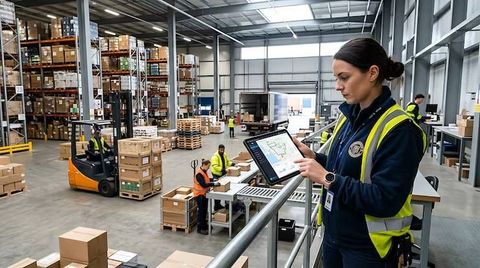
Industrial Cooling System Performance Audit Basics: Understanding Cooling Performance
Industrial Cooling System Performance Audit Basics helps explain how cooling equipment and related systems are examined to understand their operating condition, efficiency, reliability, and overall performance.
Industrial cooling systems are used in manufacturing plants, warehouses, processing facilities, data centers, power facilities, and other environments where controlled temperatures are important. An audit provides a structured way to review how a cooling system operates compared with its intended design and operating requirements.
Context
What Is an Industrial Cooling System Performance Audit?
An industrial cooling system performance audit is a systematic examination of equipment, operating conditions, controls, and cooling results. Depending on the facility, the review may include chillers, cooling towers, pumps, heat exchangers, compressors, fans, pipes, valves, sensors, and control systems.
The purpose is to understand whether the cooling system is functioning within appropriate operating parameters. Rather than focusing on one piece of equipment, an audit considers how different components work together as a complete system.
How Industrial Cooling Systems Developed
Industrial cooling developed alongside manufacturing and processing industries that required stable temperatures for machinery, materials, products, and working environments. As industrial processes became more controlled, cooling systems evolved from relatively simple mechanical arrangements into interconnected systems using sensors, automated controls, variable-speed equipment, and digital monitoring.
Modern systems may combine mechanical equipment with electronic controls and software. This makes performance assessment more detailed because temperature, pressure, flow, electrical consumption, operating schedules, and environmental conditions can all influence system behavior.
What an Audit Examines
An Industrial Cooling System Performance Audit can examine several areas:
- Temperature entering and leaving major cooling components
- Water or refrigerant flow conditions
- Pressure readings
- Equipment operating cycles
- Fan and pump performance
- Heat transfer conditions
- Control settings
- Sensor accuracy
- Maintenance records
- Operating patterns and load changes
The exact scope depends on the type of cooling system and the purpose of the assessment.
Importance
Why Cooling Performance Matters
Cooling performance affects many industrial activities. Excessive temperatures can influence machinery operation, material stability, product processing, equipment lifespan, and workplace conditions. A cooling system that does not respond appropriately to changing loads can also create operating difficulties.
Performance auditing helps organize information about these conditions. Instead of relying only on individual temperature readings, an audit can consider how equipment, controls, and operating conditions interact.
Identifying Performance Changes
Cooling systems can gradually behave differently as operating conditions change. Blocked heat-transfer surfaces, fouled components, worn mechanical parts, incorrect control settings, restricted airflow, and sensor problems can influence performance.
An audit can establish a reference point for comparison. Repeated assessments can then help identify changes in measured operating conditions over time.
Supporting Industrial Decision-Making
Cooling equipment can represent a significant part of an industrial facility's energy use and infrastructure. Understanding its operating characteristics provides useful information for maintenance planning, equipment assessment, system adjustments, and future facility planning.
The information is also relevant to facility managers, engineers, maintenance teams, operators, and organizations responsible for maintaining stable industrial processes.
Common Performance Indicators
Several measurements can help describe cooling performance. Examples include temperature difference across a heat exchanger, chilled-water flow, condenser-water temperature, pressure, electrical demand, and equipment runtime.
These measurements should be interpreted according to the specific system design. A single reading does not necessarily indicate whether an entire cooling system is performing appropriately.
| Performance area | Common measurement | What it helps describe |
|---|---|---|
| Temperature | Supply and return temperature | Cooling conditions |
| Flow | Water or air flow rate | Movement through the system |
| Pressure | Pressure differential | Flow resistance and operating conditions |
| Electrical use | Power demand | Equipment operating behavior |
| Runtime | Operating hours | Equipment utilization |
| Controls | Setpoints and response | Automated system behavior |
| Heat transfer | Temperature approach | Heat-exchange conditions |
Recent Updates
Digital Monitoring and Data Collection
Recent developments have increased the use of digital sensors and connected monitoring systems in industrial cooling. Facilities can collect temperature, pressure, flow, vibration, and electrical information at multiple points rather than depending entirely on occasional manual readings.
This creates larger datasets for performance analysis. Historical information can also make it easier to compare current operation with previous operating conditions.
Automation and Variable-Speed Equipment
Variable-speed drives are increasingly used with pumps and fans because operating requirements can change throughout the day. Instead of maintaining one operating level continuously, equipment can adjust according to system demand when the controls and equipment design support this approach.
Modern control systems can also coordinate multiple components. This makes control-system configuration an increasingly important part of a performance audit.
Greater Attention to Energy Performance
Industrial organizations are paying increased attention to energy use and operational efficiency. Cooling systems are part of this broader focus because pumps, fans, compressors, and chillers can operate for extended periods.
Current audit practices therefore commonly consider both cooling results and the resources required to achieve those results. The assessment may also examine operating schedules, changing process loads, and opportunities for improved control.
Condition-Based Monitoring
Another developing trend is the use of condition-based monitoring. Sensors and historical data can help identify unusual changes in vibration, temperature, pressure, or electrical behavior.
This approach does not replace physical inspection. Instead, measured information can provide additional context when evaluating equipment condition and changes in system performance.
Tools and Resources
Measurement Instruments
Several instruments can support an audit. Temperature probes, pressure gauges, flow meters, electrical meters, infrared measurement devices, and vibration instruments can provide information about different parts of a cooling system.
Measurement equipment should be appropriate for the operating environment and used according to its instructions. Accurate readings are important because incorrect measurements can affect later analysis.
Cooling System Calculators
Engineering calculators can help with basic relationships involving cooling capacity, temperature differences, flow, and heat transfer. Such calculations provide useful context when reviewing measured system data.
For more complex installations, calculations generally need to account for equipment specifications, fluid properties, environmental conditions, and system design.
Manufacturer Documentation
Equipment manuals, technical specifications, control diagrams, maintenance records, and commissioning documents are useful resources during an audit. They can show intended operating ranges and explain how individual components are designed to function.
Comparing measured conditions with documented specifications can help distinguish normal variation from conditions that require additional investigation.
Audit Templates and Digital Records
A structured audit template can organize readings consistently. A useful template may include equipment identification, measurement location, operating condition, temperature, pressure, flow, electrical readings, observations, and follow-up notes.
Digital monitoring platforms can also store historical measurements. Consistent records make it easier to compare system behavior across different operating periods.
FAQs
What is an Industrial Cooling System Performance Audit?
It is a structured assessment of cooling equipment, controls, operating conditions, and measured performance. The purpose is to understand how the system operates compared with its intended requirements.
Why is an Industrial Cooling System Performance Audit important?
An audit helps organize information about temperature, flow, pressure, equipment operation, controls, and other performance factors. It can also establish reference measurements for future comparisons.
What equipment is examined during a cooling performance audit?
Depending on the installation, an assessment may include chillers, cooling towers, pumps, heat exchangers, compressors, fans, valves, sensors, piping, and control equipment.
Which measurements are useful for an Industrial Cooling System Performance Audit?
Common measurements include supply and return temperatures, flow rates, pressure differences, electrical demand, equipment runtime, and control settings. The relevant measurements depend on system design.
How often should cooling performance be assessed?
There is no universal interval for every industrial facility. Assessment frequency can depend on equipment type, operating conditions, system complexity, monitoring capabilities, maintenance practices, and changes in cooling demand.
Conclusion
An Industrial Cooling System Performance Audit provides a structured view of how cooling equipment, controls, and operating conditions work together. Temperature, flow, pressure, electrical demand, runtime, and control data can provide useful information about system behavior. Recent developments in digital monitoring, automation, variable-speed equipment, and condition-based monitoring are changing how cooling performance is evaluated. Understanding these principles provides general background for interpreting cooling-system measurements and operational records.

Related Post...

Medical Lab Supplies Basics: Learning About Laboratory Tools, Equipment, and Materials
Updated: September 22, 2026
Read More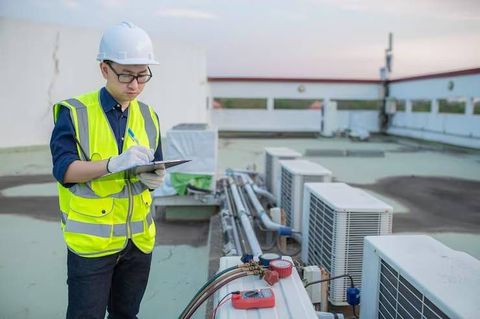
Industrial Cooling System Performance Audit Basics: Understanding Cooling Performance
Updated: September 26, 2026
Read More
Commercial Weighbridge Scale Manufacturing Insights: Discover Industrial Weighing Systems
Updated: September 24, 2026
Read More