Drinking water may require several stages to control particles, microorganisms, dissolved substances, taste, and odor.
Common stages include screening, coagulation, flocculation, sedimentation, filtration, and disinfection. Some systems also use activated carbon, membrane filtration, ion exchange, or other specialized methods when particular contaminants need additional control.
What Wastewater Treatment Means
Wastewater comes from homes, commercial buildings, institutions, manufacturing facilities, and other activities that use water. It can contain suspended solids, organic matter, nutrients, microorganisms, chemicals, oils, and other substances.
A wastewater treatment system separates, transforms, or removes these materials through physical, biological, and chemical processes. The treated water may then be discharged under applicable requirements or directed toward an appropriate reuse purpose.
Main Treatment Stages
A typical wastewater treatment sequence can be understood through several stages:
- Preliminary treatment removes large debris and materials that could interfere with later equipment.
- Primary treatment uses physical separation, commonly through settling, to remove a portion of suspended solids.
- Secondary treatment uses microorganisms to reduce biodegradable organic matter and may also reduce some suspended material.
- Tertiary or advanced treatment provides additional removal of nutrients, fine particles, specific chemicals, or microorganisms when required.
- Disinfection reduces disease-causing microorganisms before certain types of discharge or reuse.
The exact sequence varies because water sources, wastewater characteristics, local requirements, and intended end uses differ.
Importance
Public Health and Environmental Protection
Water quality affects households, communities, agriculture, industry, and natural ecosystems. Proper treatment can reduce exposure to harmful microorganisms and help limit the release of pollutants into receiving waters.
Wastewater treatment is also important because inadequately treated wastewater can introduce nutrients and organic matter into the environment. Excess nutrients may contribute to algal growth and reduced oxygen levels in water bodies.
UN-Water's 2024 update found that global wastewater data remain incomplete. Among the reporting countries and populations covered by its calculations, 60% of total wastewater was safely treated in the countries where that indicator could be calculated, while the report noted that available data were insufficient to establish a single global figure for all countries.
Water Reuse and Resource Management
Treatment is increasingly connected with water reuse. Reclaimed water can be treated for applications such as industrial processes, irrigation, environmental purposes, or other approved uses. The required treatment level depends on intended use and applicable health and environmental controls.
UN-Water has highlighted wastewater reuse and resource recovery as part of responses to water scarcity and changing water availability. Reuse can reduce pressure on freshwater sources when systems are appropriately designed and managed.
Understanding Treatment Functions
The main functions of treatment systems can be summarized as follows:
| Function | Main purpose | Typical examples |
|---|---|---|
| Screening | Remove large materials | Screens, grit removal |
| Separation | Remove suspended matter | Settling, clarification |
| Biological treatment | Reduce biodegradable matter | Activated sludge, biofilters |
| Filtration | Remove smaller particles | Sand or membrane filters |
| Disinfection | Control microorganisms | Chlorine, ultraviolet light |
| Advanced treatment | Target specific contaminants | Carbon, membranes, nutrient removal |
The functions can be combined in different configurations depending on water quality objectives.
Recent Updates
Greater Attention to Water Reuse
From 2024 through 2026, water reuse has remained an important area of development. In April 2026, the U.S. Environmental Protection Agency released Water Reuse Action Plan 2.0, continuing a national framework focused on water reuse, research, and related resources. Its materials cover potable and non-potable reuse, microbial treatment targets, industrial reuse, and case studies.
This trend increases the need for treatment targets, monitoring, and controls matched to each reuse application.
Monitoring Emerging Contaminants
Another development is increased attention to contaminants that may require specialized treatment or monitoring. In the United States, the EPA finalized a drinking water regulation for several PFAS in 2024. In 2026, the agency proposed changes related to implementation of PFOA and PFOS requirements and continued work on PFAS monitoring, treatment, destruction, and disposal. These actions are specific to U.S. regulatory programs and do not represent requirements in every country.
Better Wastewater Data
International monitoring has also received attention. The 2024 UN-Water methodology explains how domestic wastewater flows are assessed, including collection through sewers and septic systems and treatment needed for classification as safely treated. Better data can help water managers understand treatment gaps and track progress over time.
Tools and Resources
Treatment References
Resources from the U.S. Environmental Protection Agency, World Health Organization, and UN-Water can help readers understand water quality, wastewater treatment, reuse, and monitoring. These platforms contain technical documents, explanations, regulatory information, and data resources.
Calculators and Planning Tools
Water-related calculators can help estimate daily water use, flow rates, hydraulic loading, or pollutant loads. Spreadsheet templates can organize sampling records, treatment stages, operating observations, and water-quality measurements.
Process Diagrams and Data Tables
Simple process diagrams help explain how water moves through treatment stages. Data tables can compare parameters such as turbidity, pH, suspended solids, nutrients, and microbial indicators, although the appropriate parameters depend on the treatment objective.
FAQs
What are the basic processes in water and wastewater treatment?
Water treatment may include screening, coagulation, flocculation, sedimentation, filtration, and disinfection. Wastewater treatment commonly includes preliminary, primary, secondary, and sometimes tertiary or advanced treatment stages.
Why is wastewater treatment important?
Wastewater treatment reduces pollutants and microorganisms before treated water is discharged or reused. It helps protect receiving waters and supports public health and environmental management.
What is the difference between water treatment and wastewater treatment?
Water treatment generally prepares source water for a defined use, while wastewater treatment manages water after it has been used. Their processes can overlap, but their starting conditions and treatment objectives differ.
What is water reuse in wastewater treatment?
Water reuse means treating water from a source such as wastewater so it can be used again for an appropriate purpose. Treatment requirements depend on the intended use and applicable standards or controls.
What systems are used in wastewater treatment?
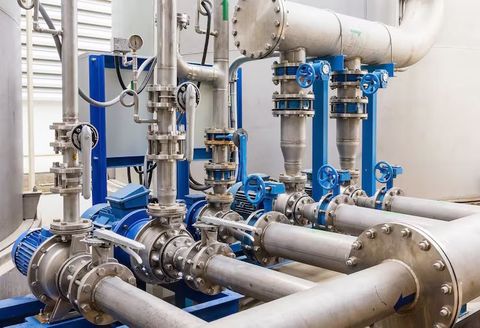
Common wastewater treatment systems include screening and grit removal, settling tanks, biological reactors, filters, disinfection units, and advanced treatment processes. The combination depends on wastewater characteristics and required water quality.
Conclusion
Water and wastewater treatment use physical, biological, and chemical processes to manage water quality. Treatment systems can protect receiving environments, support public health, and create opportunities for appropriate water reuse. Recent developments have placed greater attention on reuse, emerging contaminants, monitoring, and consistent wastewater data. Understanding these basic processes and functions provides a foundation for interpreting how modern water treatment systems operate.